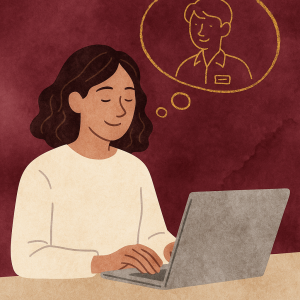

Let me tell you about Emma.
She was the kind of student teachers brag about in Facebook groups. Practiced like a pro. Played with precision. Could crush a scale in three octaves, hands together, with a metronome breathing down her neck.
But the second she stepped on stage?
It all fell apart.
Her fingers shook. She froze mid-phrase. The piece unraveled faster than a poorly rolled scroll of manuscript paper. And it wasn’t because she didn’t know the music. It was because her brain hit panic mode.
So let’s get real: Performance confidence isn’t about perfection. It’s about preparation—the mental kind. The kind no one talks about until a student falls apart mid-recital.
Let’s fix that.
Why Stage Fright Isn’t a Personal Failing—It’s a Brain Thing
First myth to toss out the window? That performance anxiety is some kind of weakness.
Nope. It’s actually a feature. Your student’s brain is doing exactly what it was built to do: detect threats and protect them.
Only problem? Their brain thinks an audience is a bear.
What happens next:
- 💥 Heart rate spikes (thanks, adrenaline)
- 💨 Breathing goes shallow
- 💢 Muscles tighten up like they’re about to fight Thanos
- 🙈 Tunnel vision sets in—and poof, they forget everything they practiced
Cue the spiral. But here’s the reframe we all need: We’re not fixing fear. We’re retraining the brain.
Step 1: Rewire the Response—From “I’m Nervous” to “I’m Ready”
Here’s a wild fact: The physical signs of fear and excitement? Exactly the same.
So what makes a pro different from a panicked student?
Interpretation.
Instead of thinking “I’m nervous,” help them say “I’m excited. My body is prepping for showtime.”
🔁 Try this in your lessons: Before a run-through, have them say out loud, “I’m so excited to play this.” (Yes, it feels weird at first. No, that doesn’t mean it’s not working.)
The goal? Normalize the adrenaline. Make it feel like a tool, not a threat.
Step 2: Teach Them to Practice with Their Eyes Closed (Literally)
Visualization isn’t just woo-woo. It’s neuroscience.
Mental rehearsal activates the same neural pathways as physical practice. Meaning: Even if they’re just imagining the performance, their brain is still logging reps.
🧠 Try this: Have them close their eyes and walk through the performance in detail:
- Walking on stage
- Sitting at the piano/violin stand/etc.
- Taking a breath
- Playing confidently—even recovering from a mistake
- Hearing the applause
This kind of mental practice builds familiarity. And familiarity lowers the fear response.
Step 3: Build a Ritual That Grounds Them—Every Single Time
Athletes do it. Actors do it. Heck, even Beyoncé has her rituals.
So why don’t our students?
Rituals are performance insurance. They tell the brain, “We’ve done this before. We’re safe.”
🛠 Ideas for a Pre-Performance Routine:
- ✨ Power Posing (yes, that TED Talk one) to boost confidence hormones
- 💨 Breathwork to calm the nervous system
- 🎯 A grounding phrase like “I am prepared” or “I’ve done the work”
- 🎧 Same warm-up playlist or physical routine every time
The more consistent the routine, the more confident the body becomes. This is how you anchor calm into their muscle memory.
Step 4: Train the Art of Recovery (aka, Embrace the Mistake)
Every musician screws up on stage. The difference? Pros don’t let it show.
This is one of the most important skills we can teach: mistake recovery.
🎭 Try this in your studio:
- The No-Stopping Rule: Once they start playing, no matter what happens, they keep going.
- Anchor Points: Teach them where they can jump back in if they lose their place.
- Poker Face Drills: Have them intentionally mess up—and play through it like nothing happened.
They’ll start to see what we already know: Most people won’t even notice.
Final Takeaway: Confidence is Built, Not Bestowed
Emma didn’t magically become fearless.
But she did learn how to work with her brain instead of against it. She learned how to show up—even when her heart was racing. And that? That’s real confidence.
So here’s your studio takeaway:
- Confidence isn’t innate. It’s trained.
- Visualization counts as practice.
- Mistakes aren’t failures. They’re data.
- And stage presence? It starts way before the spotlight hits.
📝 Want to help your students feel more ready to perform? Try layering one of these strategies into your next lesson.
🎧 Want to go deeper on the psychology of performance?
If this post hit home, you’re going to love Episode 12 of the TopMusicAI Podcast. We dive into how to train confidence like a muscle, the science behind stage presence, and what really sets pros apart from panicked performers. Spoiler: It’s not just practice—it’s mental practice. Go have a listen!